How to Scale Your Startup Beyond No-Code: A Founder's Guide to Smooth Transition
Learn how startups scale beyond no-code with a smooth transition strategy. This guide helps founders move to scalable tech without breaking growth momentum.
Dec 24, 2025

Did you know that tech founders usually hit the same invisible wall when they reach $2-3 million in annual revenue? Many startups grow beyond no-code only to find that their original game-changer turns into their most important roadblock.
The pressure to grow quickly has never been greater, with over 157,000 registered startups in India alone and more than 100 unicorns expected in 2025. No-code platforms send clear warning signs when you've outgrown them - your pages load slower, database queries take several seconds, and you can't build certain features with your current setup.
Your tech startup's most important turning point comes when you shift from founder-led to systems-led operations. But Gartner predicts that 80% of enterprises will still use citizen development to some degree by 2026, which means we need a strategic approach to this progress rather than completely abandoning our no-code foundations.
This piece will show you the exact steps to spot when you're outgrowing your no-code solutions. You'll learn to design an adaptable tech strategy that lines up with your business goals, build the right team for this transition, and execute a migration that keeps your existing customers and operations running smoothly.
Recognizing the Signs You’ve Outgrown No-Code
The moment you outgrow no-code platforms doesn't happen overnight. Your startup's relationship with these tools slowly deteriorates. The very things that made them attractive - speed, simplicity, and affordable solutions - start to fade. Let's get into the warning signs that tell you it's time to move beyond no-code before you're stuck.
Slower performance and user complaints
No-code platforms work great with small user numbers and basic operations. In spite of that, your growing user base will likely face increased loading times, especially during busy periods. Simple database queries that used to take milliseconds now take several seconds and create frustrating delays.
Your customers spot these problems before they show up in your metrics. A pile-up of support tickets about slow performance shows your no-code infrastructure can't handle the load anymore. You should really take notice when your most loyal users - the ones who rarely complain - start mentioning speed issues.
Inability to build advanced features
The sort of thing I love about no-code tools is how they worked perfectly to launch our minimum viable product. Our growing feature roadmap included items that we just couldn't build within our platform's limits. You might run into these roadblocks:
- Custom authentication requirements beyond standard options
- Complex data processing needs that require specialized algorithms
- Advanced integrations with third-party services that lack pre-built connectors
- Unique UI/UX elements that separate your product
Scalability of no-code platforms under pressure
No-code platforms often set various limits that become real problems as you scale. These restrictions typically demonstrate themselves in:
Data volume limits that seemed generous but now threaten your operations API call limits that hold back integrations with other services Processing bottlenecks during high-traffic periods
Money becomes a bigger factor too. No-code platforms cut costs at first, but their per-user pricing often becomes too expensive at scale. Many founders find that after reaching certain thresholds—usually around 10,000 users—the cost advantage completely flips.
So the question isn't whether to move beyond no-code, but when and how to do it without disrupting your growing business.
Designing a Scalable Tech Strategy
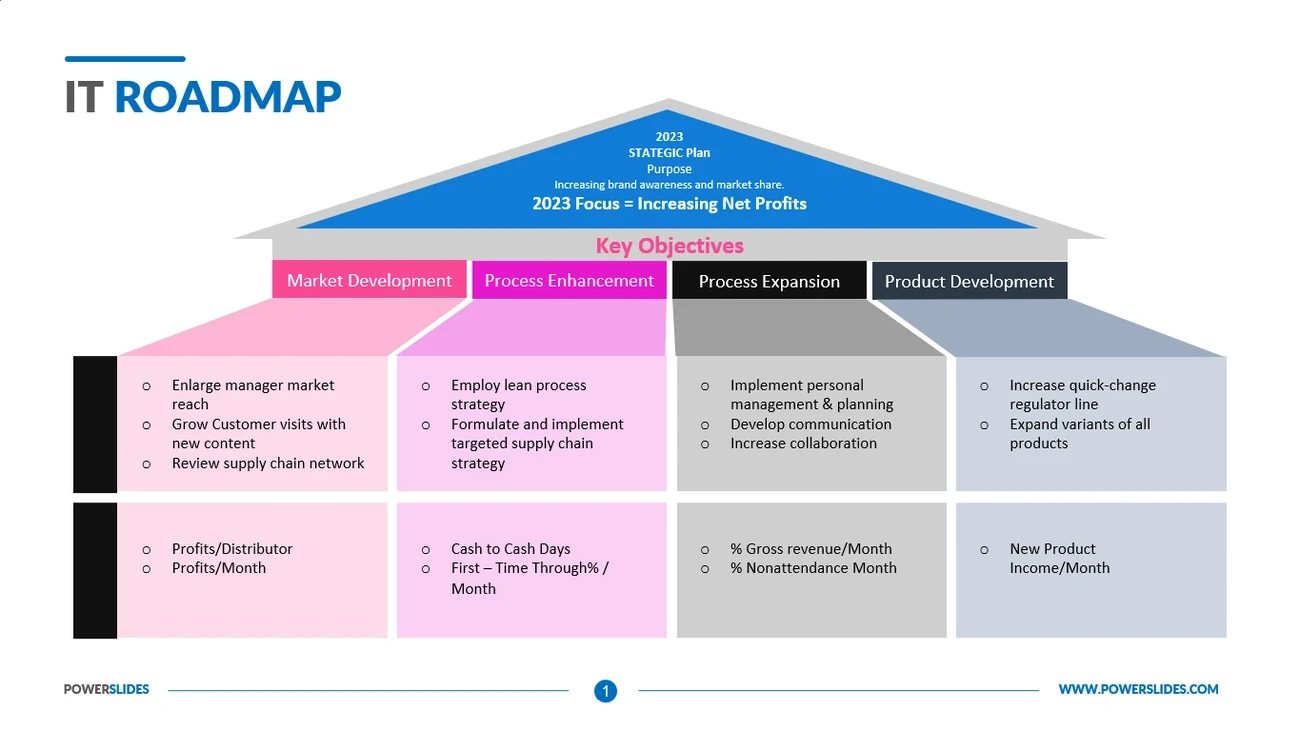
Image Source: Powerslides
Your business might outgrow its no-code platform. The next vital step involves creating a technical strategy that supports your long-term vision and tackles immediate needs.
Mapping your product's technical future
A clear product roadmap helps arrange your technical decisions with business goals. Your product vision sets the direction and purpose for all future development. This vision helps you identify your core technical strengths and areas where you need to build excellence.
Document your current architecture and spot potential compatibility issues before making major changes. Your inventory should list all application components, frameworks, and third-party services to give you a detailed view of your existing system.
You can schedule a free tech strategy consultation with our experts at Kumo's contact page.
Choosing the right tech stack for growth
The tech stack you pick will affect your application's performance, scalability, development speed, and maintenance costs. Rather than following trends, these proven options deserve your attention:
- LAMP (Linux, Apache, MySQL, PHP/Python): Affordable for budget-conscious projects (USD 25K-75K)
- MEAN/MERN/MEVN (MongoDB, Express.js, Angular/React/Vue, Node.js): Perfect for startups and MVPs (USD 50K-150K)
- ASP.NET or Java: Great for enterprise applications needing security and compliance (USD 100K+)
- Python: Perfect for AI/data applications (USD 75K-200K)
95% of successful projects use "boring" technology stacks that deliver predictable costs, easier hiring, lower risks, and faster development.
Balancing speed with long-term flexibility
The competitive marketplace today requires organizations to design for both speed and resilience. Gartner reports that 52% of organizations surveyed during the 2020 COVID-19 crisis moved from designing for efficiency to designing for flexibility.
This balance requires you to:
- Create a dual operating system—one built for reliability and another for agility
- Implement Infrastructure as Code for consistent environments
- Adopt cloud-native infrastructure that scales with usage
- Design modular architecture that separates concerns
A well-built plan guides you while allowing adjustments to changing circumstances—it's not a rigid blueprint.
Building the Right Team for the Transition
Finding the right technical talent is a vital factor for companies moving beyond no-code solutions. The challenge is real - about 47% of founders say finding skilled employees blocks their growth.
Hiring or partnering with developers
Companies can build technical capabilities in several ways. They can develop skills internally, bring in a CTO/technical co-founder, or work with freelancers and development agencies. Non-technical founders can benefit from specialized talent platforms that connect them with developers who excel at bridging visual development and custom code.
Engineering-as-a-service vs. in-house team
This choice will substantially affect your company's future. In-house teams give you better control and line up with your culture while enabling faster communication. Outsourcing brings flexibility, specialized expertise, and often saves money. Research shows that startups with more permanent employees see 20% better revenue growth over three years compared to those who rely heavily on contractors.
Business and tech goals working together
Your tech team should grasp both business objectives and technology requirements. Making this work requires:
- Well-documented workflows and integration points
- Teams working together regularly
- Business outcomes driving technology choices instead of technical priorities
Looking to build your transition team? Visit our expert matching service to get recommendations that match your technical needs.
Executing a Smooth No-Code to Low-Code Transition
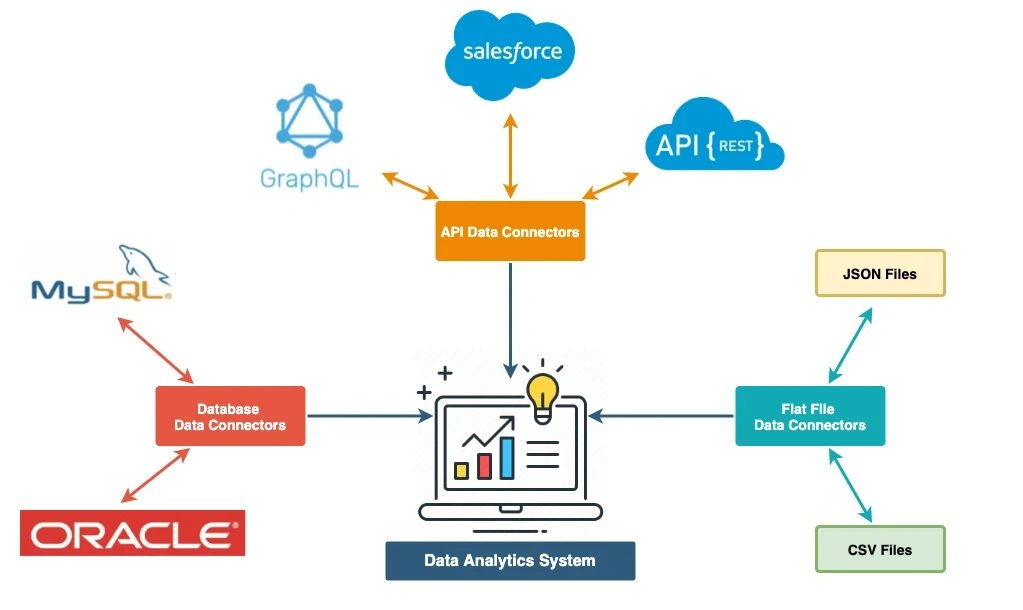
Image Source: Nexla
Moving from no-code to low-code platforms needs careful planning and execution. Poor preparation could disrupt your growing business operations.
Documenting workflows and integrations
You should start with a full picture of your existing workflows and integration points. This documentation will become your new system's blueprint and help ensure nothing gets missed during the transition. Creating detailed maps of data structures, API connections, and user paths will guide your development team effectively.
Running systems in parallel
The parallel operation of both systems provides strategic advantages during migration. This approach lets you:
- Test with a controlled user group before full deployment
- Compare performance metrics between platforms
- Keep a reliable backup option if problems occur
Testing, feedback, and rollout planning
Your testing must cover multiple aspects of the system. You should validate all functionality systematically, gather structured user feedback, and set clear performance benchmarks. The rollout plan should migrate users gradually instead of all at once.
Maintaining user experience during migration
The user experience must remain stable during the transition. Protecting user experience is crucial since performance issues can reduce productivity, increase support requests, and make users resist the change. User training investments, familiar interface retention, and strong support resources will help everyone transition smoothly.
Conclusion
Your startup's future growth depends on how well you scale beyond no-code solutions. You need to watch for warning signs like slower performance, user complaints, and feature limitations. These signs help you take action before problems start to affect your growth. This shift needs careful planning instead of quick decisions.
A good tech strategy should balance your current technical needs with future business goals. Your choice of tech stack becomes crucial - be it LAMP, MEAN/MERN/MEVN, ASP.NET, or any other tested solution that lines up with what you need. Success stories show that tried-and-tested, "boring" technologies work better than chasing new trends.
You need to think over how to build your team carefully. Should you develop skills in-house or work with external experts? This choice shapes your technical abilities, company culture, and growth potential. Your technical team must grasp both business goals and technology requirements to succeed in this transition.
The move to code-based solutions comes with its challenges. Running systems side by side while keeping track of workflows helps minimize disruption. Your users' experience should stay top priority during this rise - remember, technology serves your customers, not the other way around.
Moving beyond no-code doesn't mean throwing away what made these platforms valuable in the first place. This change lets you keep the speed of no-code while building a reliable, custom infrastructure for major growth. The way forward mixes the best parts: quick visual development with the strength and flexibility of custom code.
Taking your startup beyond no-code sets you up for growth that wouldn't be possible otherwise. This transition needs investment and proper planning, but the better capabilities, faster performance, and improved user experience will be worth the effort as your business grows.
FAQs
Q1. Why do no-code tools often struggle to scale in real-world applications? No-code tools often struggle to scale because they hide complexity rather than eliminate it. As applications grow and require more advanced features, custom logic, or integrations, these tools hit their limits. They're great for prototypes and simple apps but lack the flexibility needed for complex, production-scale systems.
Q2. How can startups recognize when they've outgrown their no-code solutions? Startups can recognize they've outgrown no-code solutions when they experience slower performance, increased user complaints, inability to implement advanced features, and limitations in data processing or API integrations. If the cost of the no-code platform becomes prohibitively expensive as user numbers grow, it's also a sign to transition.
Q3. What should founders consider when transitioning from no-code to custom development? Founders should consider designing a scalable tech strategy, choosing the right tech stack for growth, and balancing immediate needs with long-term flexibility. It's crucial to map out the product's technical future, document existing workflows, and ensure the new system aligns with business objectives.
Q4. How can startups build the right team for transitioning beyond no-code? Startups can build the right team by either hiring in-house developers or partnering with external specialists. The decision should be based on factors like control, alignment with company culture, and long-term growth potential. Ensuring the technical team understands both business objectives and technology needs is crucial for a successful transition.
Q5. What are some key steps in executing a smooth transition from no-code to custom code? Key steps include documenting existing workflows and integrations, running systems in parallel during the transition, implementing comprehensive testing and feedback collection, and maintaining user experience throughout the process. It's also important to have a clear rollout strategy and provide robust support resources to ensure a smooth transition for all users.
In this series: When no-code and AI-built apps hit their limit
- Lovable vs Bubble vs Custom Code: Which Can Run Your App in Production (2026)
- Vibe-Coded AI App Production Readiness Review
- Best Agencies to Take Over a Lovable Project in 2026
- Retool vs Airtable vs a Custom Internal Tool: What a 50-Person Business Pays in 2026
- No-Code vs Custom App Development: How to Pick the Right Path in 2026
- No-Code to Custom Code Migration: 8 Release Gates
For the build itself, see how KUMO delivers this.
Next step
If you are scoping a build, KUMO delivers custom software development on fixed scopes with the code yours from day one; the founders built Volopay's first production version as its founding engineers. Get a range from the cost calculator or book a free 30-minute call with an engineer.